How AI Is Used in Inventory Management
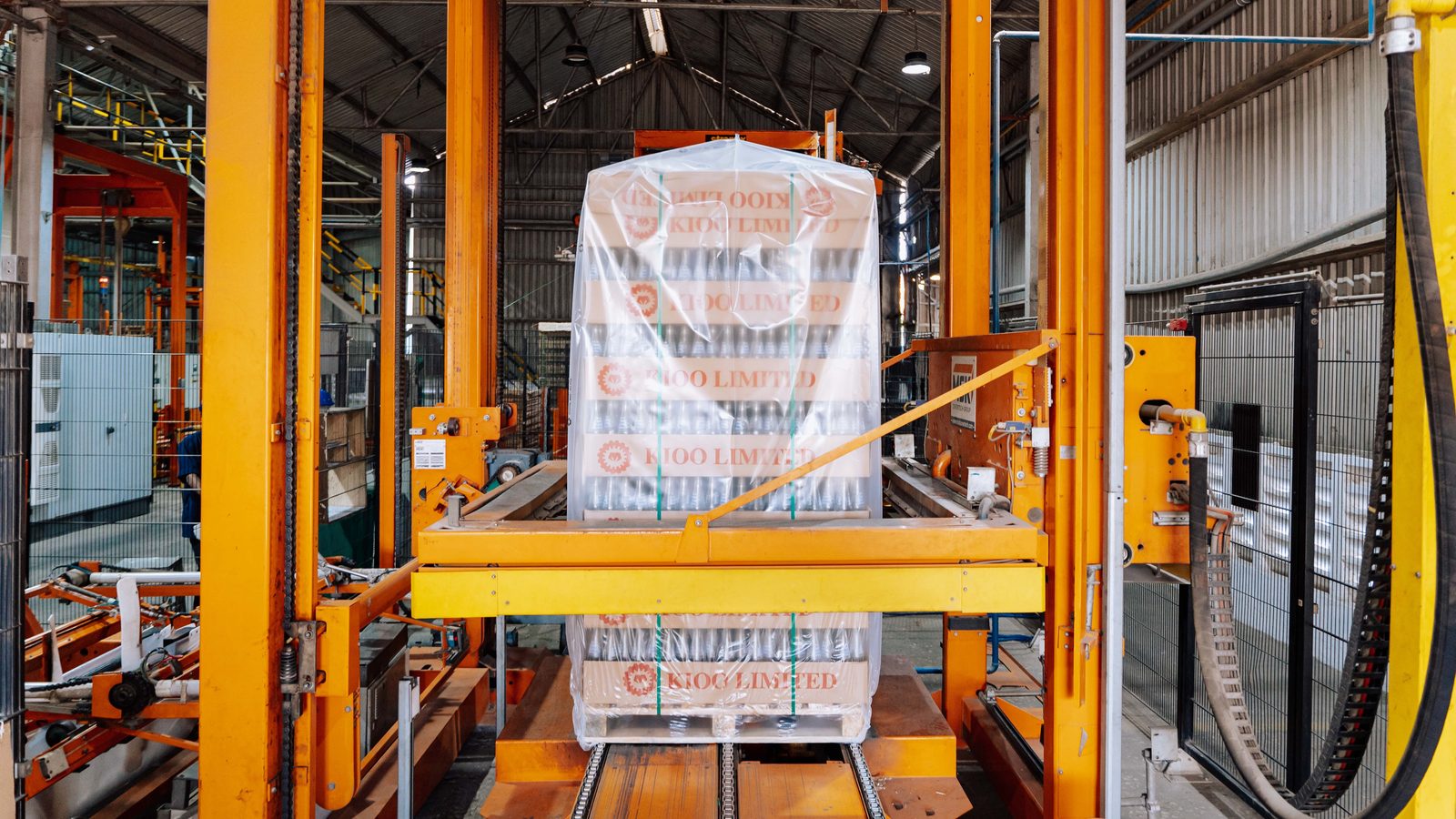
AI helps inventory management in four main ways: forecasting, replenishment, alerts, and optimization. Here's a plain-English survey of each use case.
You keep hearing "AI for inventory" and nobody says where it actually plugs in. Every vendor page describes an outcome, fewer stockouts, less cash on the shelf, and skips the part where you would find out what the thing does on a Tuesday. Here is the short, honest map.
AI is used in inventory management in four main places: forecasting demand, timing and setting quantities for replenishment, flagging risks like low stock or overstock, and optimizing buys across the catalog. In each, AI weighs more signals and updates more often than a manual process, so planners spend less time pulling reports and more time deciding.
Key takeaways
- It is four jobs, not one product: forecasting, replenishment, risk flagging, and catalog-wide optimization are separate applications that happen to ship together.
- The common mechanism is breadth and cadence: more signals considered, more often, than a person can sustain by hand.
- The gain is attention, not intelligence: the checks that used to get skipped now happen every day.
- Each use case has a threshold: none of them pays off on a small, steady catalog reviewed carefully by one person.
This page is a map rather than a deep dive. Each section says what AI does in that spot and points you to the article that covers it properly, so you can go one level down wherever it matters to you.
- Demand forecasting. what ai does: Reads many signals, refreshes often; practical benefit: A demand number that reflects now, not last year; where to learn more: How AI demand forecasting works
- Replenishment. what ai does: Times and quantities reorders from live demand; practical benefit: Triggers that move when demand moves; where to learn more: How AI-powered replenishment works
- Inventory optimization. what ai does: Balances buffers and buys across the catalog; practical benefit: Less redundant overstock catalog-wide; where to learn more: Inventory optimization
- Routine automation. what ai does: Auto-reorder, alerts, real-time updates; practical benefit: Manual tracking off your plate; where to learn more: How automated inventory management works
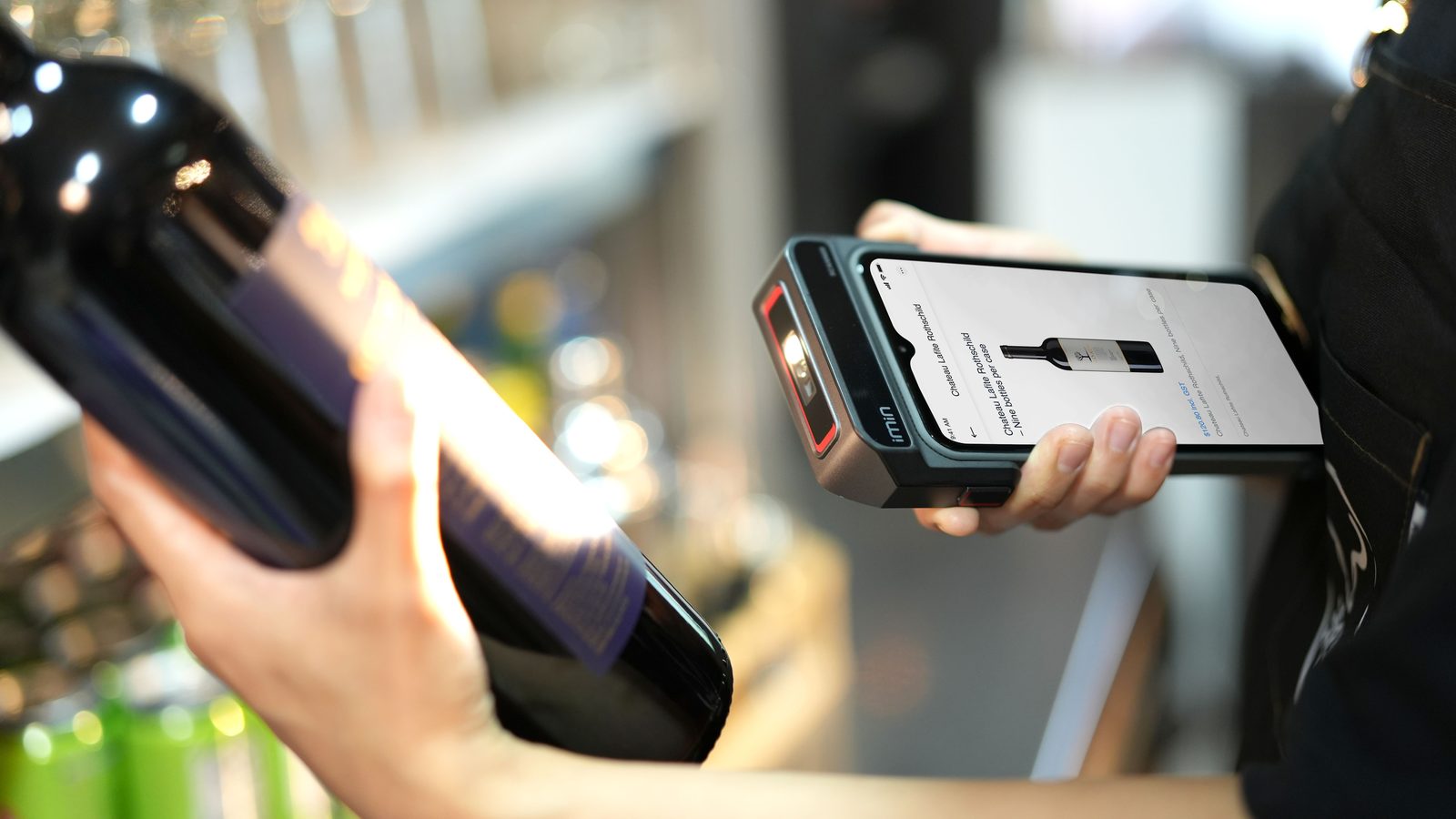
How does AI help with demand forecasting?
AI forecasts read more signals than last year's sales and refresh more often. That is the whole mechanism, and it is the foundation the other three use cases sit on, because replenishment, optimization, and risk flagging all consume a demand number. A rule-based forecast uses the inputs somebody encoded, usually sales history plus a growth assumption. A learned model weighs sales history alongside campaign activity, price, traffic, seasonality, and channel mix, and works out how much each matters for a particular product. It then re-derives that as new data arrives, rather than waiting for a quarterly rebuild.
The reason this matters for inventory specifically is that every downstream number inherits it. Your reorder points, your buffers, your coverage reads are all calculated off forecast demand, so an out-of-date forecast quietly corrupts all of them at once. For the mechanics of how the models actually work, see how AI demand forecasting works, and for why accuracy improves, see how AI improves demand forecast accuracy.
How does AI help with replenishment?
AI times and sizes reorders from live demand instead of a static rule. A traditional reorder trigger is a number somebody set: reorder this product at 200 units. It was right the day it was entered and it stays exactly that number while demand climbs, a lead time stretches, or a season turns. AI-powered replenishment recalculates the trigger and the quantity from the current forecast and the current lead time, so the number moves when the conditions move.
That difference compounds across a catalog. On five SKUs, a planner keeps the triggers honest by hand. On five hundred, the triggers drift, and the drift is invisible until something either stocks out or arrives six months early. The deeper treatment lives in how AI-powered replenishment works; the underlying trigger concept is covered in what a reorder point is.
How does AI help with inventory optimization?
AI balances safety stock and buys across a whole catalog, not one SKU at a time. This is the use case people most often miss, because optimization sounds like a fancier word for planning. It is not. Planning sets a sensible number for each product independently. Optimization sets the numbers together, given that every product competes for the same cash and the same warehouse space, so protecting service on a best-seller may mean accepting more risk on a slow mover.
Doing that as one calculation, rather than a few thousand separate ones, is the part that needs automation, and it is also where redundant buffer usually hides. Every SKU padded in isolation adds up to a lot of cash nobody decided to spend. The full treatment is in inventory optimization.
How does AI automate routine inventory work?
Auto-reorder, alerts, and real-time updates take the manual tracking off your plate. This bucket is the least glamorous and often the first one a brand actually feels, because it removes work rather than improving a number. Stock levels update as sales happen instead of after an export. A product crossing its trigger produces a drafted order rather than a note to self. A SKU behaving oddly raises a flag rather than waiting to be noticed.
It is worth separating basic automation from the AI-powered kind. Basic automation follows the rules you wrote; AI-powered automation adapts those rules to live demand. Both remove keystrokes, only the second one keeps the underlying numbers current. See how automated inventory management works for the full picture, and real-time inventory visibility for the tracking layer underneath it.
AI vs manual inventory work, what actually changes?
The work shifts from gathering data to acting on it. That is the honest summary of all four use cases, and it is a smaller claim than most AI marketing makes. Your planners do not become unnecessary and the decisions do not get made for you. What changes is the ratio: less of the week spent joining exports and rebuilding pivots, more of it spent on the calls that need a person, supplier negotiation, launch bets, whether to take a markdown now or hold.
The second change is coverage. Manual attention is finite, so it concentrates on the top SKUs and the long tail runs unwatched. Automated attention does not get tired, so the four-hundredth product gets the same daily check as the fourth. Most of the quiet losses in a growing catalog live in that unwatched tail. Conative AI forecasts demand per channel rather than as one blended number, so DTC, wholesale, and marketplace demand each get their own read and each channel's buy reflects how it actually sells. That is the difference between a catalog you sample and a catalog you cover. Start your free trial to see the four use cases running against your own SKUs on the inventory planning platform.
Frequently asked questions
What problems does AI solve in inventory management?
Chiefly three: forecasts that go stale between manual rebuilds, reorder triggers that stay fixed while conditions move, and a long tail of SKUs nobody has time to review. All three are attention problems rather than intelligence problems, which is why automation helps more than a cleverer spreadsheet would.
Is AI inventory management only for big retailers?
No, but it has a threshold. The value scales with how many SKUs and channels you are tracking, not with revenue. A brand with fifty steady products and one channel does fine manually. A brand with six hundred products across three channels has already passed the point where weekly manual review is realistic.
Does AI inventory management replace a planner?
No. It removes the assembly work, joining data, rebuilding reports, rechecking triggers, and leaves the judgment work, which is most of what a good planner is paid for. The role shifts toward reviewing exceptions and making the calls the data cannot make.
What data does AI need to manage inventory?
At minimum, consistent sales history and accurate on-hand stock, per SKU. Beyond that, lead times, open purchase orders, and campaign activity each improve the result. Accuracy of on-hand counts is the input brands most often underestimate, because every downstream calculation assumes it is right.
How is AI inventory management different from automation?
Automation follows rules you wrote in advance and executes them reliably. AI adapts the underlying numbers, forecasts, triggers, buffers, as conditions change. You can automate without AI and end up executing stale rules very efficiently. The two are complementary rather than interchangeable.
How quickly can a brand adopt AI for inventory?
The connection to your storefront and inventory data is usually the fast part. The slow part is data cleanup: reconciling SKU records, fixing on-hand counts, and marking historical stockouts so the model does not learn from censored demand. Budget for that work rather than being surprised by it.